How Truck Dispatch Services Work: A Complete Guide for Trucking Businesses
The trucking industry is the backbone of global trade and transportation. Every day, thousands of trucks move goods across cities, states, and countries to keep businesses running smoothly. Behind many successful trucking operations is an efficient truck dispatch service that manages loads, communication, schedules, and logistics.
For people who own their trucks and for people who own a lot of trucks, finding loads and dealing with all the paperwork can take up a lot of time. You have to find loads that will make you money, talk to people about how you will get paid, and make sure all the papers are done right. You also have to talk to the people who find the loads and the drivers all the time. This is where companies that help with dispatching for trucks can really help truck owners.
In this guide, we’ll explain how truck dispatch services work, what dispatchers do, and why they are important for trucking businesses looking to improve efficiency and profitability.
What Is a Truck Dispatcher?
A truck dispatcher is the person who helps truck drivers talk to freight brokers and customers. The main job of a truck dispatcher is to make sure that trucks have something to carry, they take routes, and they get to where they need to go on time.
Truck dispatchers help trucking companies with their work by making sure that goods get moved from one place to another. They have to solve problems that come up with getting things from one place to another. Whether a truck dispatcher works by themselves or, with a company that does dispatching, their job is to keep trucks moving and help the company make as much money as possible.
Truck dispatch services are commonly used by:
- Owner-operators
- Small trucking companies
- Freight carriers
- Fleet management businesses
- Logistics startups
How Truck Dispatch Services Work
Truck dispatch services follow a structured process to keep freight operations running smoothly. Here’s a step-by-step breakdown of how the process typically works.
1. Finding Loads
The first thing a dispatcher has to do is find loads for the drivers. A dispatcher will look at load boards. Talk to freight brokers and shippers to find good loads for the drivers. The dispatcher is always trying to find loads that’re a good fit for the drivers. This way the drivers can haul the loads. The dispatcher can do their job. The main goal of a dispatcher is to find loads for the drivers and make sure they have work to do.
They consider factors such as:
- Truck type
- Current location
- Delivery destination
- Freight rates
- Driver availability
- Deadhead miles
The goal is to find high-paying loads while minimizing empty driving time. 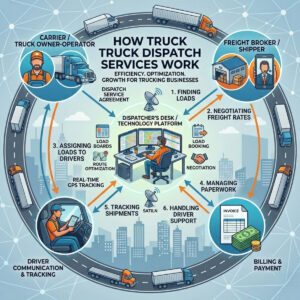
2. Negotiating Freight Rates
Once a load is identified, the dispatcher negotiates rates with brokers or shippers. Experienced dispatchers understand market trends and know how to secure competitive pricing.
Strong negotiation skills help drivers and trucking companies maximize profits while maintaining steady work.
A dispatcher may negotiate:
- Per-mile rates
- Fuel surcharges
- Detention fees
- Layover charges
- Special handling fees
3. Assigning Loads to Drivers
After confirming the load, the dispatcher assigns it to the appropriate driver based on availability, route efficiency, and delivery schedules.
The dispatcher provides drivers with:
- Pickup details
- Delivery instructions
- Appointment times
- Route information
- Broker contact details
Clear communication is essential at this stage to avoid delays or confusion.
4. Managing Paperwork
Truck dispatching involves significant administrative work. Dispatchers often help manage important documents such as:
- Rate confirmations
- Bills of lading
- Invoices
- Insurance documents
- Driver agreements
Accurate paperwork ensures smooth operations and faster payment processing.
5. Tracking Shipments
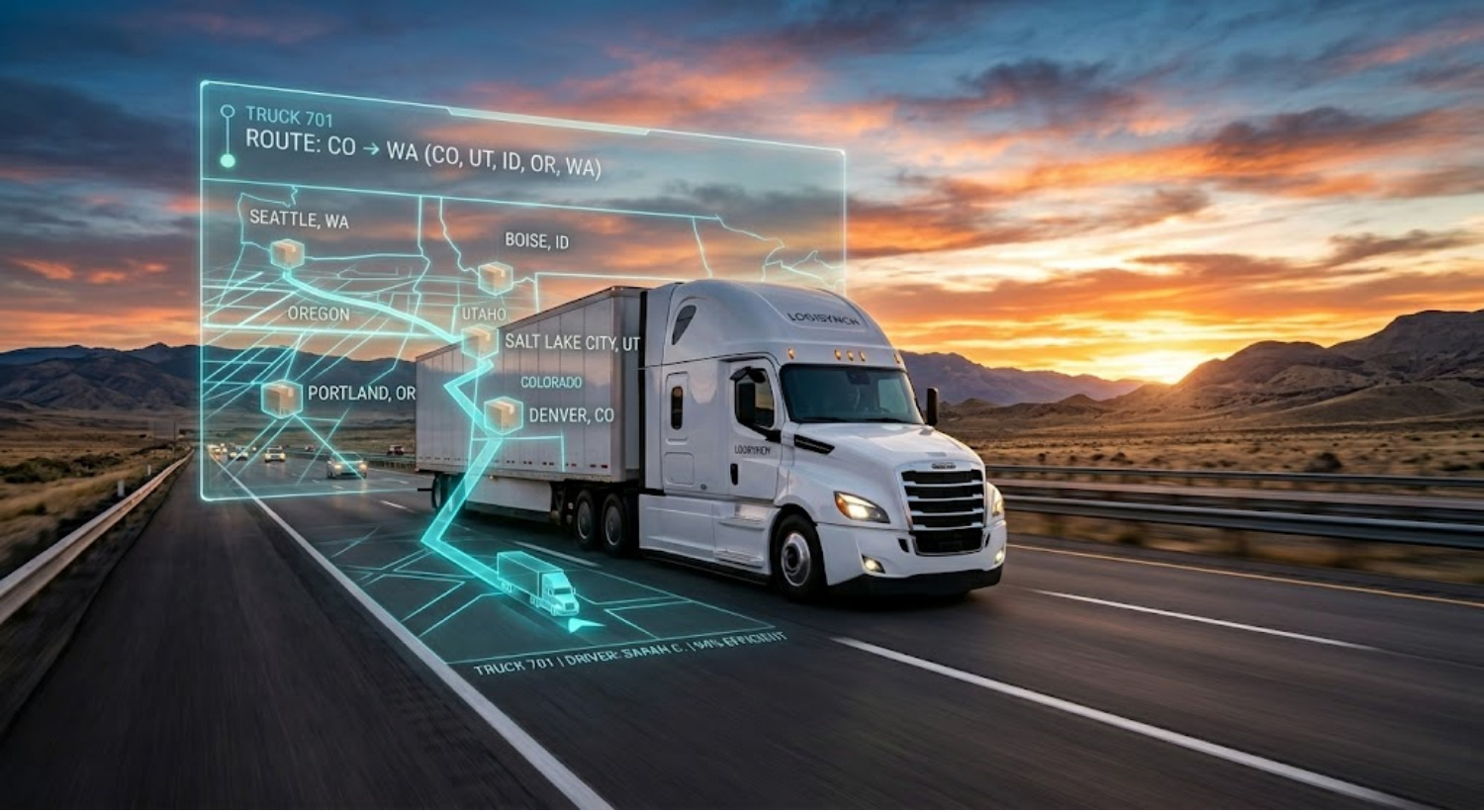
Modern dispatch services keep an eye on the trucks. See how the deliveries are going all the time. The people who do the dispatching talk, to the drivers a lot during the trip and let the brokers or customers know what is happening.
If something goes wrong like the weather is bad or there is a lot of traffic the dispatchers help change the plans and tell everyone about it fast. They do this so that the dispatch services and the truck drivers can work together to get everything done on time.
6. Handling Driver Support
Dispatchers also support drivers by solving operational issues on the road. This may include:
- Rescheduling appointments
- Finding nearby repair services
- Assisting with route planning
- Communicating with brokers
- Managing unexpected delays
A reliable dispatcher reduces stress for drivers and helps them stay focused on safe driving.
Key Responsibilities of a Truck Dispatcher
A professional truck dispatcher typically handles several responsibilities, including:
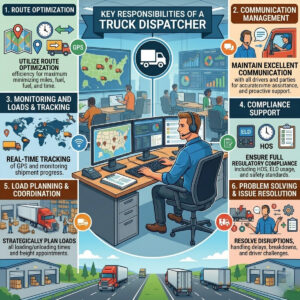
Load Planning
Matching available trucks with profitable freight opportunities.
Communication Management
Coordinating with drivers, brokers, customers, and warehouse staff.
Route Optimization
Planning efficient routes to reduce fuel costs and delivery delays.
Compliance Support
Helping drivers stay compliant with transportation regulations and documentation requirements.
Problem Solving
Managing delivery issues, delays, cancellations, and scheduling conflicts.
Benefits of Hiring a Truck Dispatch Service
Truck dispatch services offer several advantages for owner-operators and trucking companies.
Increased Revenue Opportunities
Professional dispatchers help secure better-paying loads and reduce empty miles, which increases overall profitability.
Time Savings
Searching for loads and managing logistics can consume hours every day. Dispatch services allow drivers to focus on driving while dispatchers handle operations.
Better Load Management
Experienced dispatchers understand freight markets and can keep trucks consistently loaded.
Reduced Stress
Managing brokers, paperwork, and scheduling can become overwhelming. Dispatchers simplify operations and reduce workload pressure.
Improved Business Growth
Fleet owners can scale operations more efficiently when dispatching tasks are handled professionally.
Challenges in Truck Dispatching
Although dispatch services offer many benefits, there are also challenges involved.
Market Competition
Freight markets can be highly competitive, making it difficult to secure premium loads.
Communication Issues
Poor communication between drivers and dispatchers can lead to delays and missed appointments.
Rate Fluctuations
Freight rates often change depending on fuel prices, demand, and market conditions.
Time Management
Dispatchers must handle multiple tasks simultaneously while maintaining efficiency.
Successful dispatching requires strong organization, industry knowledge, and problem-solving skills.
Technology Used in Modern Truck Dispatching
Technology has transformed the trucking and dispatching industry. Modern dispatch services use software and digital tools to improve operations and communication.
Common tools include:
- Load board platforms
- GPS tracking systems
- Fleet management software
- Route optimization tools
- Electronic logging devices (ELDs)
- Accounting and invoicing software
These technologies help dispatchers monitor trucks, reduce delays, and improve operational accuracy.
Choosing the Right Truck Dispatch Company
Not all dispatch services offer the same level of quality. Before hiring a truck dispatch company, trucking businesses should evaluate:
- Industry experience
- Dispatcher communication skills
- Service pricing
- Load availability
- Customer reviews
- Knowledge of freight markets
A reliable dispatch partner should understand your business goals and help improve operational efficiency.
Final Thoughts
Truck dispatch services are really important for the transportation industry. They help trucking companies run smoothly. Truck dispatch services do a lot of things like find loads and take care of paperwork. This helps trucking companies make money and do things more efficiently.
For people who own their trucks and small companies that have a few trucks working with a good truck dispatch service can be very helpful. It can save them time. Reduce stress. It can also help them grow their business. The trucking industry is getting more competitive all the time. So it is really important to have a truck dispatch service.
If you are starting a trucking business or if you want to make your current business better you need to know how truck dispatch services work. This is a part of being successful in the long run. Truck dispatch services are a part of the trucking industry and can make a big difference, for trucking companies and truck drivers.



1 Comment
A WordPress Commenter
Hi, this is a comment.
To get started with moderating, editing, and deleting comments, please visit the Comments screen in the dashboard.
Commenter avatars come from Gravatar.